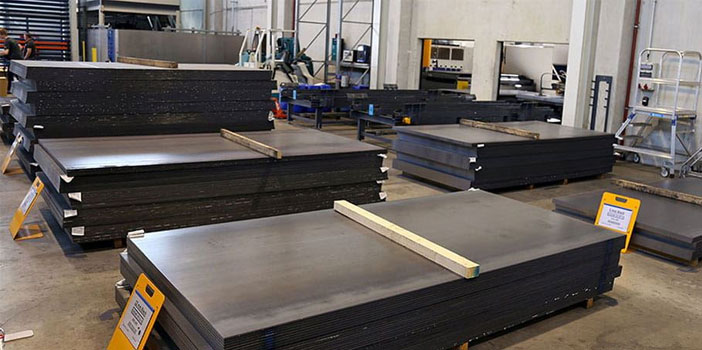
BQ plates are a type of carbon steel plate that has been designed to be used in pressure vessel applications. The "BQ" stands for "boiler quality," which means that the plate has been manufactured to meet specific criteria for strength, toughness, and durability. These plates are commonly used in the construction of boilers, storage tanks, and other pressure vessels where high-pressure and high-temperature conditions are present.
Boiler quality plates are high-strength, low-alloy steel plates that are primarily used in the construction of boilers, pressure vessels, and other similar applications where high-temperature and pressure resistance are required. These plates are known for their excellent durability, corrosion resistance, and toughness, making them ideal for use in harsh environments. They are typically made from carbon steel, which is alloyed with other elements like manganese, silicon, and phosphorus to improve their properties
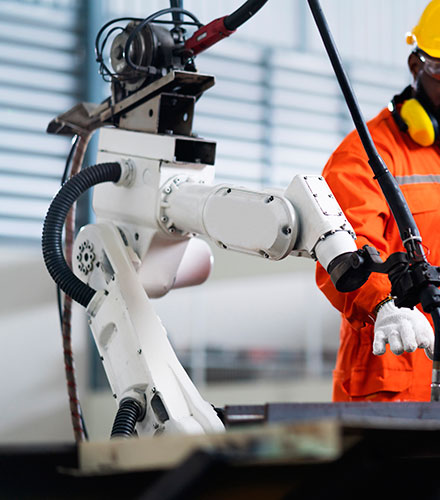
Weldability Pressure vessels and boilers are generally fabricated by welding multiple curved steel plates together to form a cylindrical or spherical component. This geometry enables the component to withstand the strain exerted from pressurised fluids and liquidised gases at cryogenic temperatures. Weldability is subsequently one of the most important properties of boiler quality plate. Weldability of alloys is determined qualitatively to assess the appropriate joining methods for a given steel grade. Fusion welding is the preferred method of joining boiler quality plate, but it is important to holistically determine suitable welding methods against the elemental composition of individual steels to mitigate the risk of failure modes in the design.
Low-Temperature Toughness The tensile toughness of boiler quality plate is vital for determining the material’s resistance to mechanical strain, but it is also indicative of both brittleness and ductility. Pressure vessels are routinely and continuously subjected to extreme temperatures that can dramatically alter the tensile toughness of steels used in their manufacture. Assessing the low-temperature toughness of boiler quality plate via Charpy designations enables engineers to predict the strain-resistant qualities of the material under operating conditions.
Creep Resistance Creep deformation, or cold flow, refers to a material’s slow mechanical distortion in response to long-term exposure to high degrees of mechanical stress. It is a vital property in pressure vessel applications as steel grades are subjected to significant thermodynamic stresses throughout their lengths of service. Boiler quality plate is designed for exceptional toughness properties in response to ambient and applied pressures. They are tested for the highest levels of notch toughness to guarantee materials are neither too hard nor brittle, providing long-lasting strength and ductility under demanding conditions.
Corrosion Resistance The corrosion-resistant requirements of boiler quality plate largely depend on its eventual area of application. Performance is dictated by the chemical composition of the steel grade, which can be finely tailored to elicit distinct resistances to cryogenic gases, hydrocarbons, acidic fluids, and more.